SHELTERED I AFFORDABLE I JUST I LOVABLE I CONNECTED

SHELTERED I AFFORDABLE I JUST I LOVABLE I CONNECTED
SHELTERED I AFFORDABLE I JUST I LOVABLE I CONNECTED
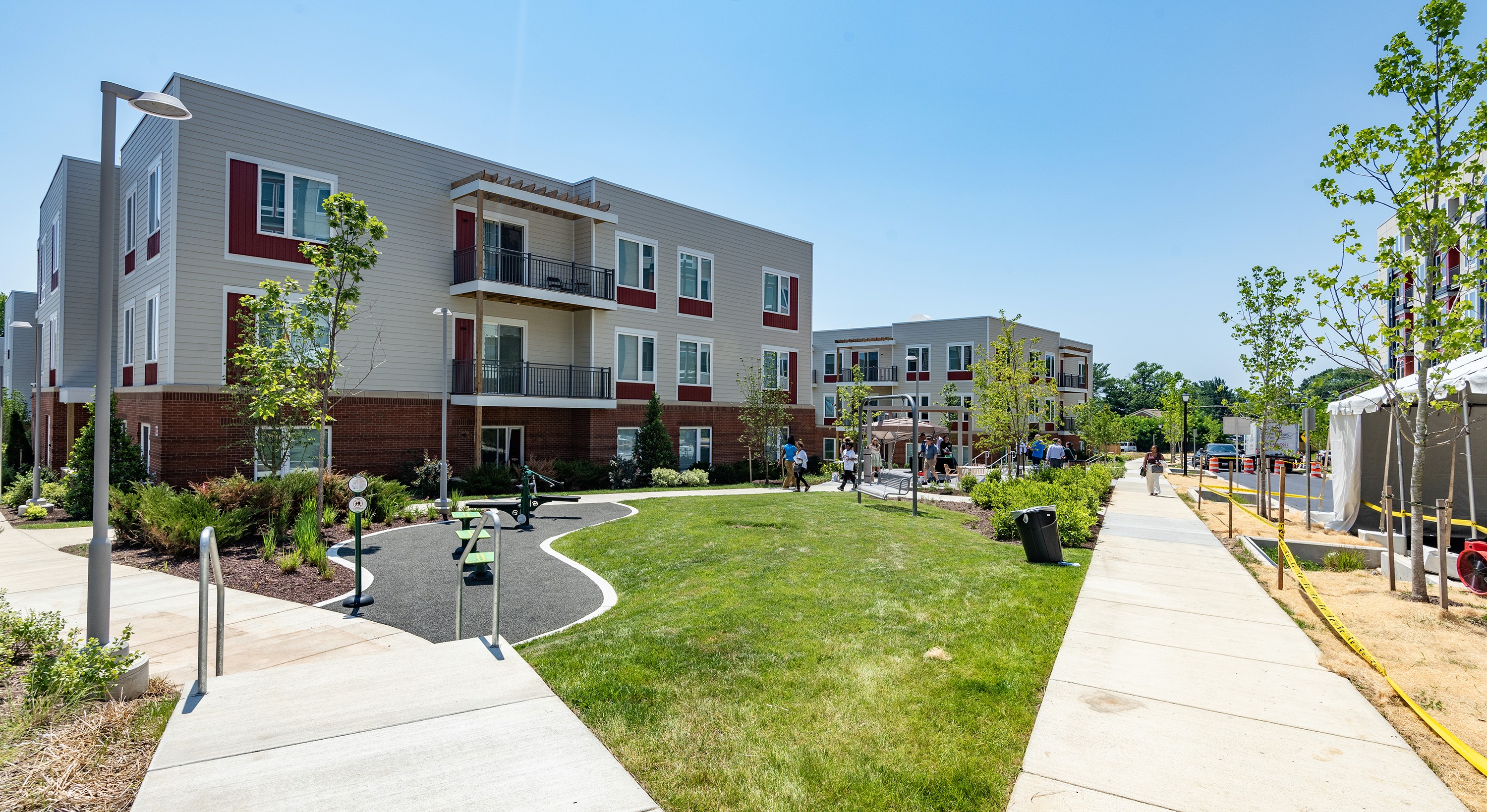
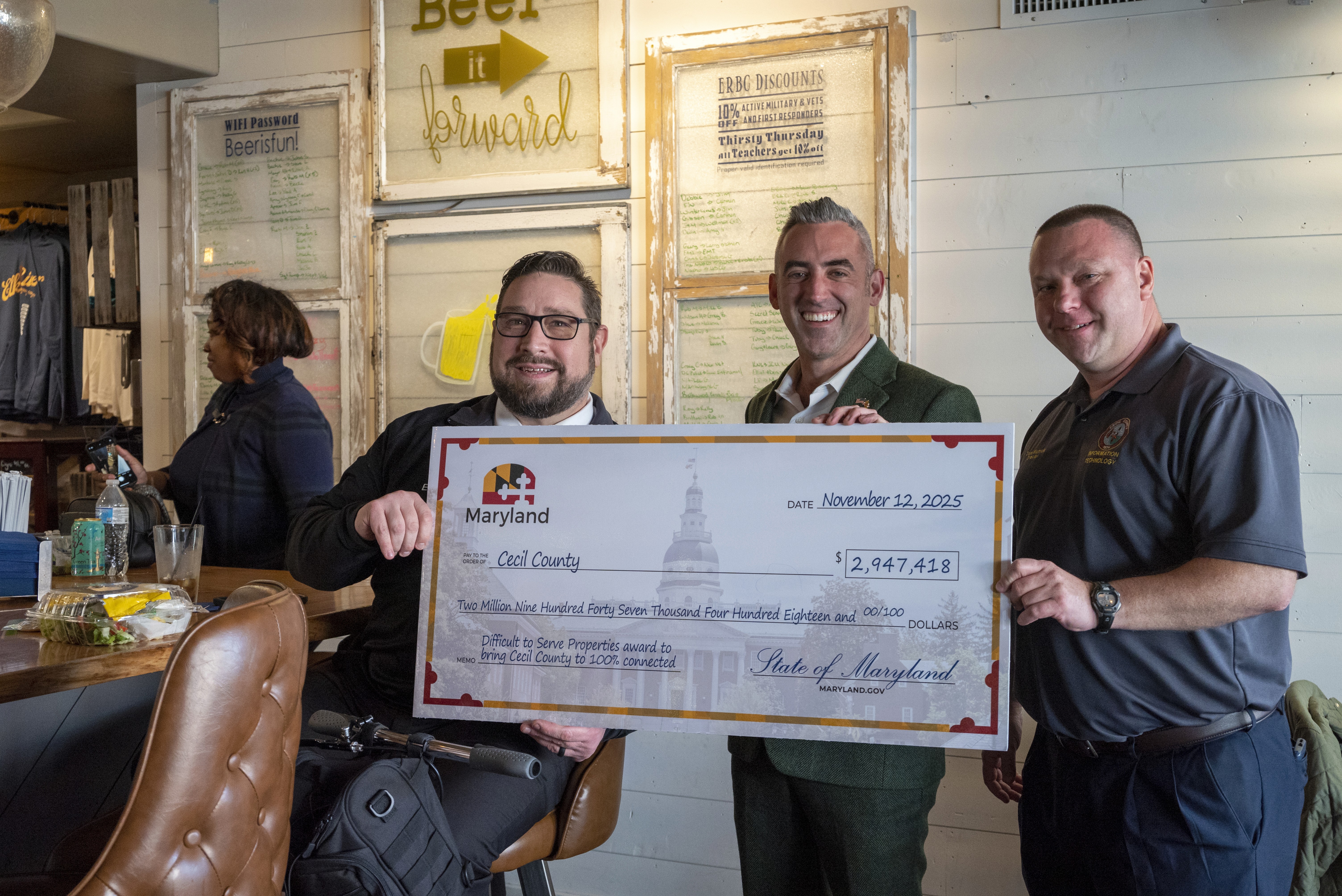

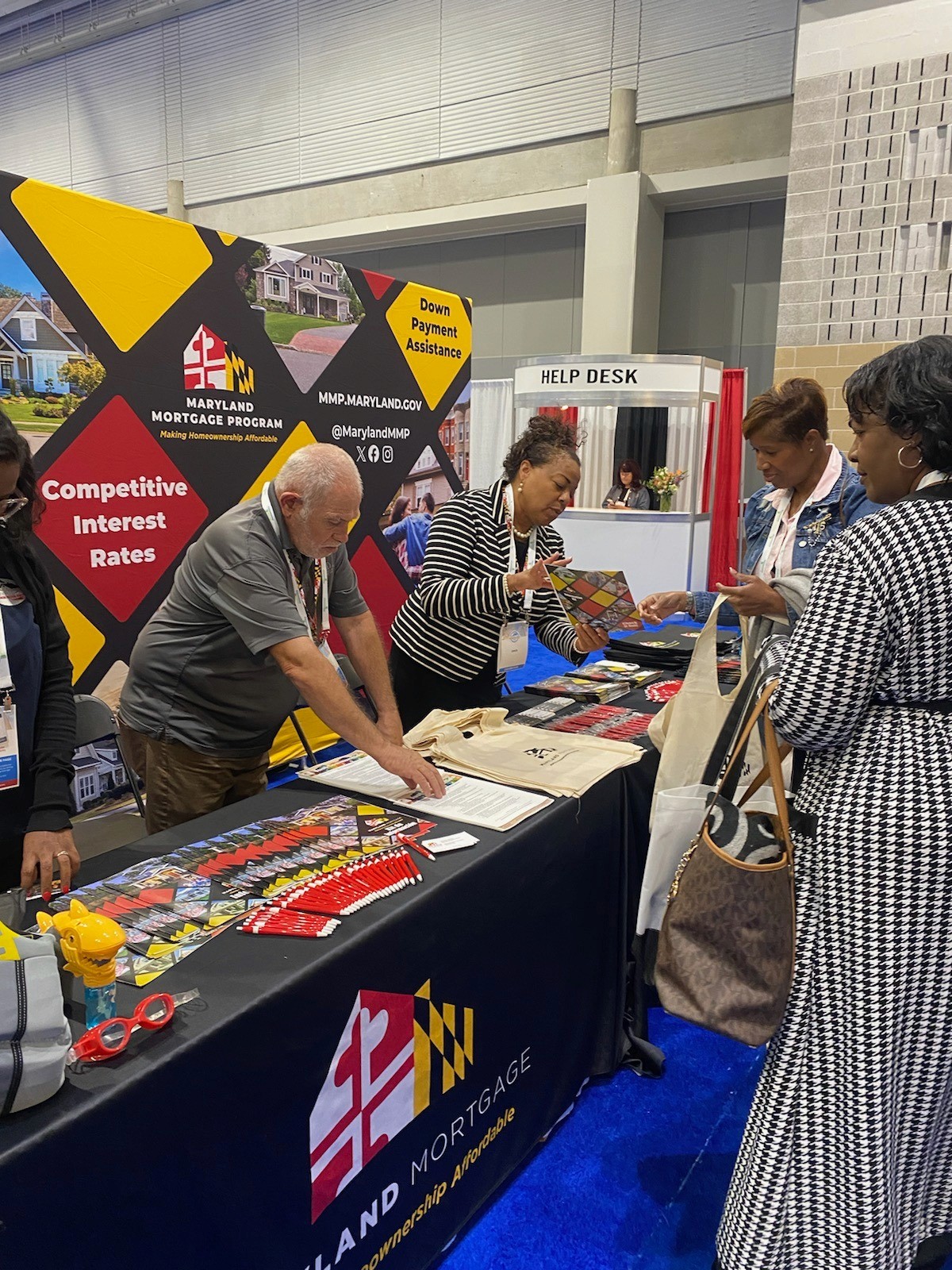
The Maryland Department of Housing and Community Development transforms communities into places people want to call home. Through investments in community-led placemaking, housing and small business development, infrastructure and broadband deployment, we partner with local government, nonprofits, and private sector stakeholders to make great places.
All Marylanders will have the opportunity to live and prosper in affordable, lovable and just communities.
The Maryland Department of Housing and Community Development transforms communities into places people want to call home. Through investments in community-led placemaking, housing and small business development, infrastructure and broadband deployment, we partner with local government, nonprofits, and private sector stakeholders to make great places.
All Marylanders will have the opportunity to live and prosper in affordable, lovable and just communities.
The Maryland Department of Housing and Community Development transforms communities into places people want to call home. Through investments in community-led placemaking, housing and small business development, infrastructure and broadband deployment, we partner with local government, nonprofits, and private sector stakeholders to make great places.
All Marylanders will have the opportunity to live and prosper in affordable, lovable and just communities.
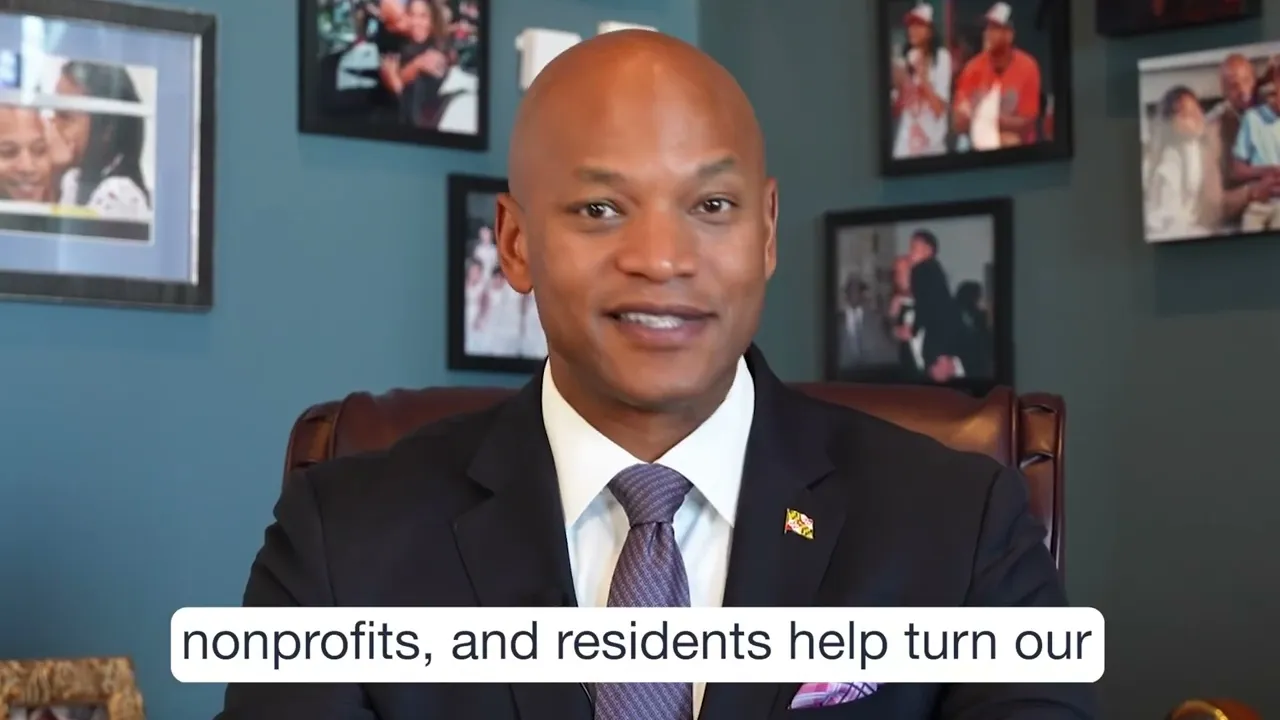
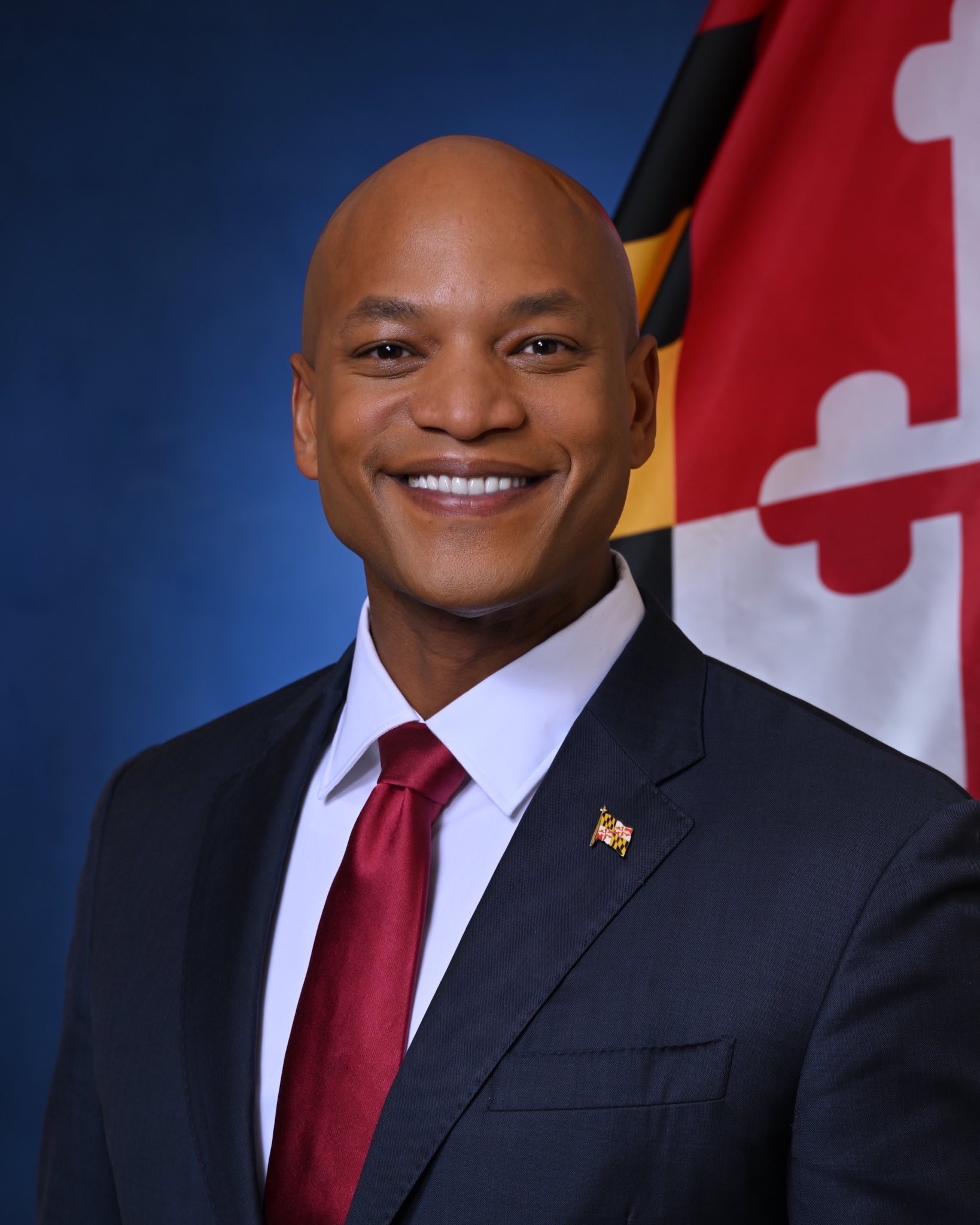
Wes Moore, Governor
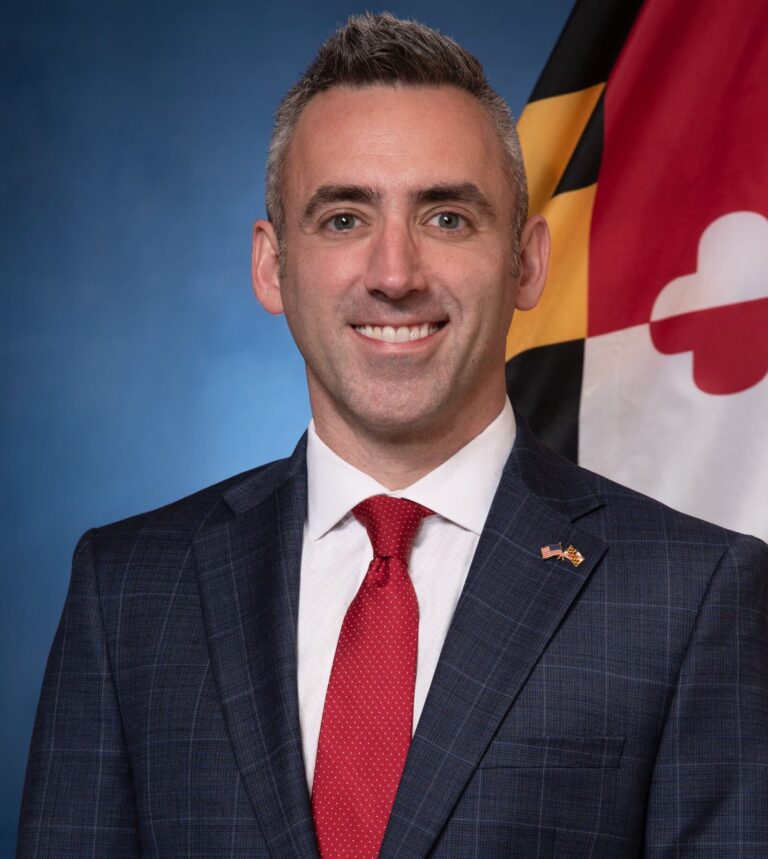
Jacob R. Day, Secretary
Wes Moore, Governor
Jacob R. Day, Secretary
Wes Moore, Governor
Jacob R. Day, Secretary
Governor Wes Moore
“When we talk about housing that's more affordable, we're not just talking about building shelter; we're talking about building a legacy, that's why we need to move faster to build new homes, move faster to make housing more affordable, and move faster to create a housing market that is more competitive.”
“When we talk about housing that’s more affordable, we’re not just talking about building shelter; we’re talking about building a legacy, that’s why we need to move faster to build new homes, move faster to make housing more affordable, and move faster to create a housing market that is more competitive.”
Governor Wes Moore
“When we talk about housing that’s more affordable, we’re not just talking about building shelter; we’re talking about building a legacy, that’s why we need to move faster to build new homes, move faster to make housing more affordable, and move faster to create a housing market that is more competitive.”
Governor Wes Moore
Governor Wes Moore
Every $1 of DHCD funds leveraged $15.7 in direct investment and created $21.2 total statewide Economic Impact.
Every $1 of DHCD funds leveraged $15.7 in direct investment and created $21.2 total statewide Economic Impact.
$8.5
$8.5
BILLION
BILLION
in economic impact
in economic impact
$1.9
$1.9
BILLION
BILLION
in wages and salaries
in wages and salaries
30,852
30,852
THOUSAND
THOUSAND
full-time equivalent jobs
full-time equivalent jobs
$134.7
$134.7
MILLION
MILLION
in state and local taxes
in state and local taxes
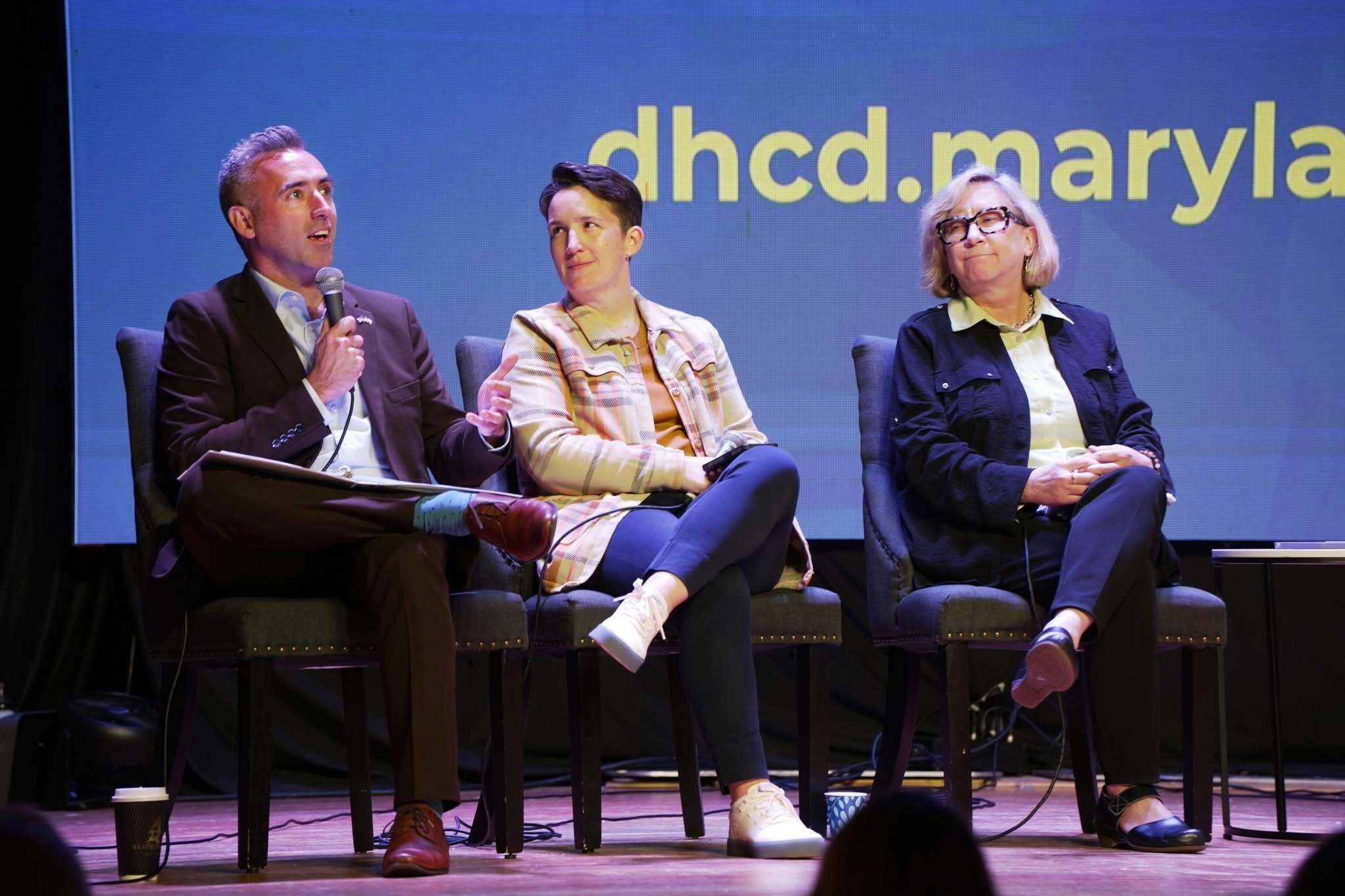
"Every housing development we help build, public space we improve, business we support and household we connect with high-speed internet will strengthen our long-term economy, create jobs, grow generational wealth and get us closer to a Maryland that is sheltered, affordable, just, lovable and connected."
"Every housing development we help build, public space we improve, business we support and household we connect with high-speed internet will strengthen our long-term economy, create jobs, grow generational wealth and get us closer to a Maryland that is sheltered, affordable, just, lovable and connected."
Secretary Jake Day
Secretary Jake Day
"Every housing development we help build, public space we improve, business we support and household we connect with high-speed internet will strengthen our long-term economy, create jobs, grow generational wealth and get us closer to a Maryland that is sheltered, affordable, just, lovable and connected."
The Department partners with local governments, nonprofits, and private-sector stakeholders to invest in community-led placemaking, housing and small business development, and infrastructure and broadband deployment — helping create great places across the state. These investments catalyze additional investment and generate ripple effects in local economies.
Every $1 of DHCD funds leveraged $15.7 in direct investment and created $21.2 total statewide Economic Impact.
The Department partners with local governments, nonprofits, and private-sector stakeholders to invest in community-led placemaking, housing and small business development, and infrastructure and broadband deployment — helping create great places across the state. These investments catalyze additional investment and generate ripple effects in local economies.
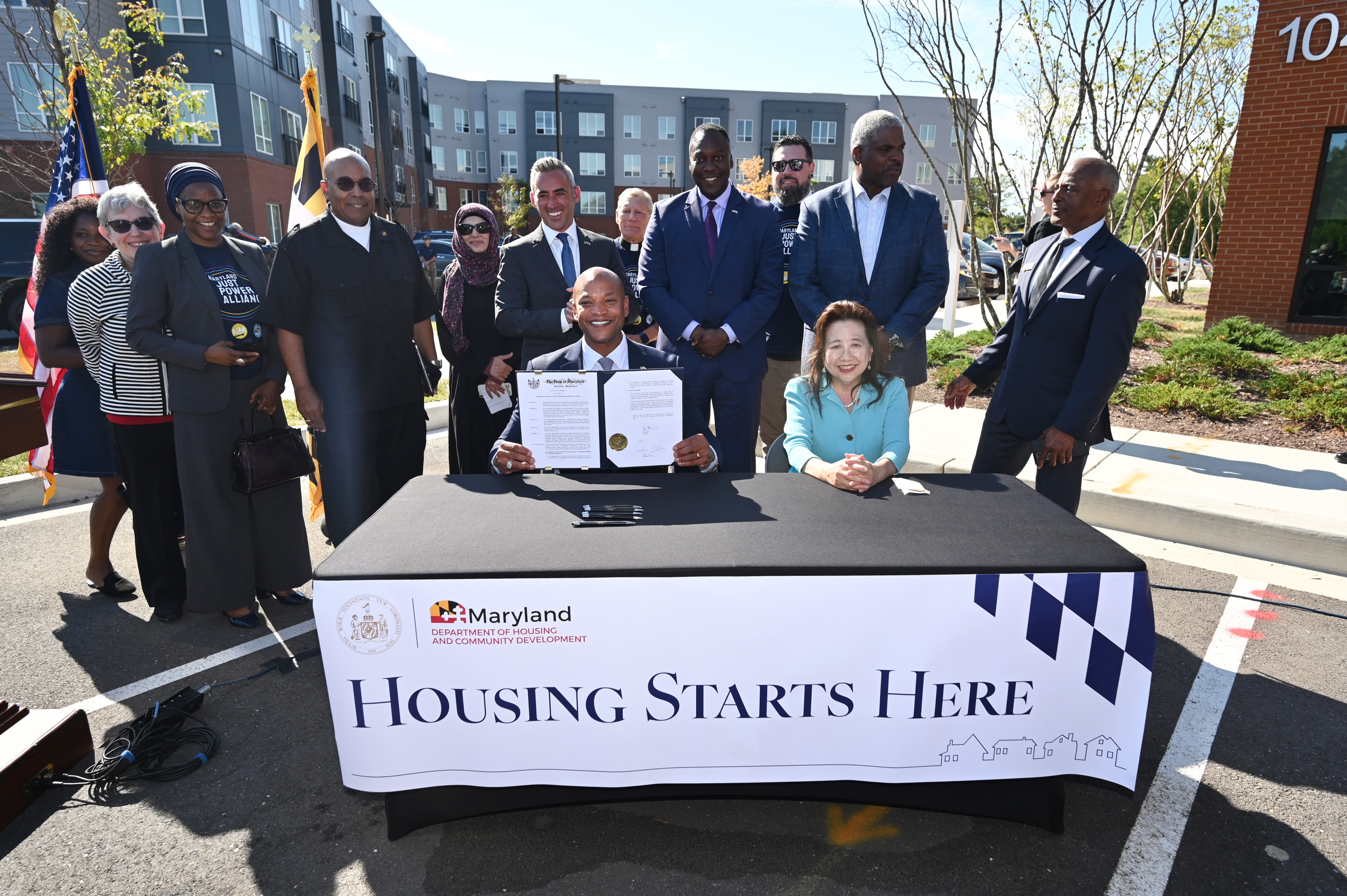
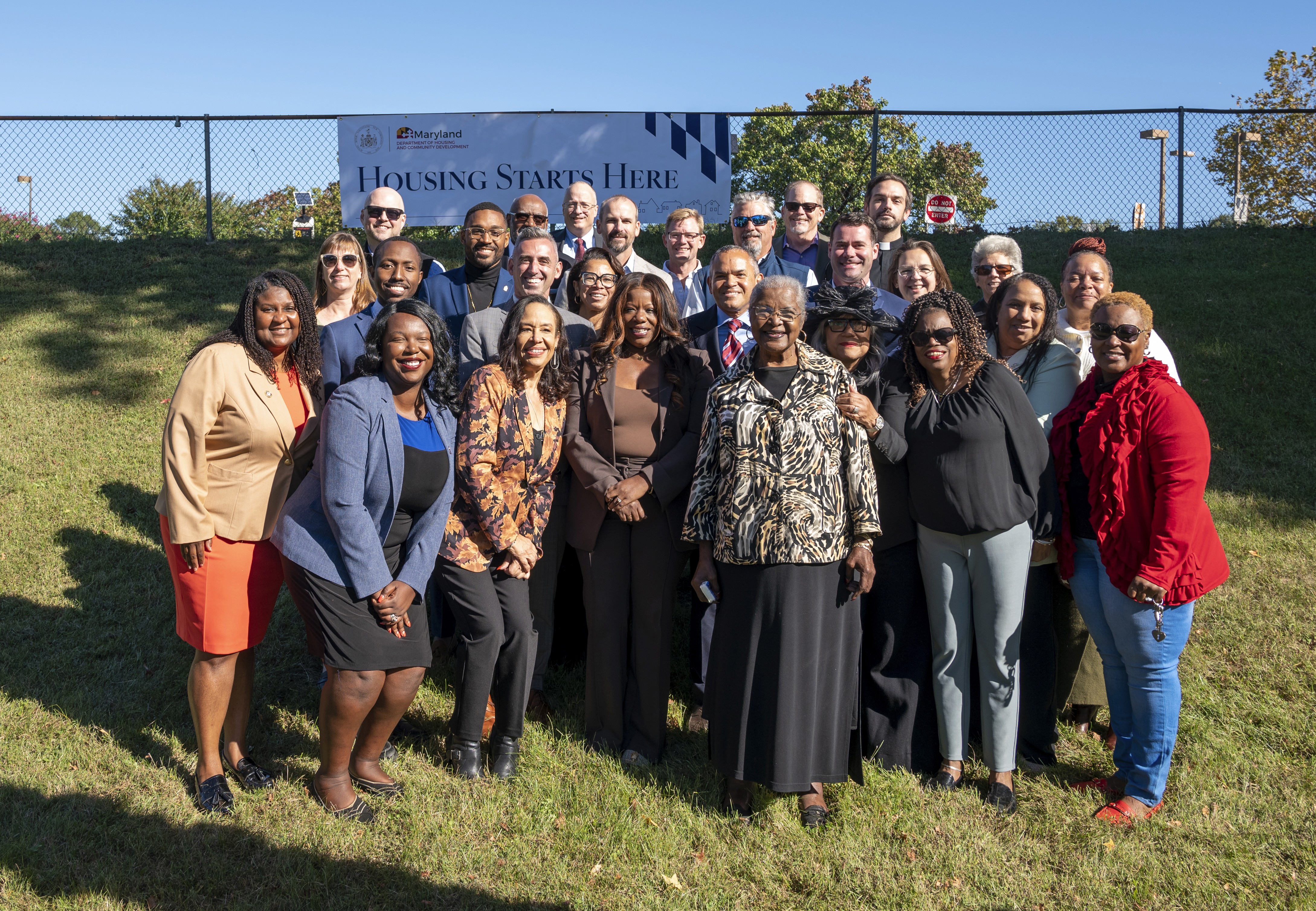
Governor Wes Moore signed the “Housing Starts Here” executive order to increase housing production across the state. The order improves the use of state-owned land to create more efficient development, reduce state permitting timelines, and bring more homes to market faster in an effort to tackle housing affordability.
“More housing is the key to a more affordable Maryland,” said Maryland Department of Housing and Community Development Secretary Jake Day. “Governor Moore’s executive order will spur housing growth and [that] means more people can live, work and raise their families in our great towns and cities.” —Secretary Jake Day
Governor Wes Moore signed the “Housing Starts Here” executive order to increase housing production across the state. The order improves the use of state-owned land to create more efficient development, reduce state permitting timelines, and bring more homes to market faster in an effort to tackle housing affordability.
“More housing is the key to a more affordable Maryland,” said Maryland Department of Housing and Community Development Secretary Jake Day. “Governor Moore’s executive order will spur housing growth and [that] means more people can live, work and raise their families in our great towns and cities.” —Secretary Jake Day

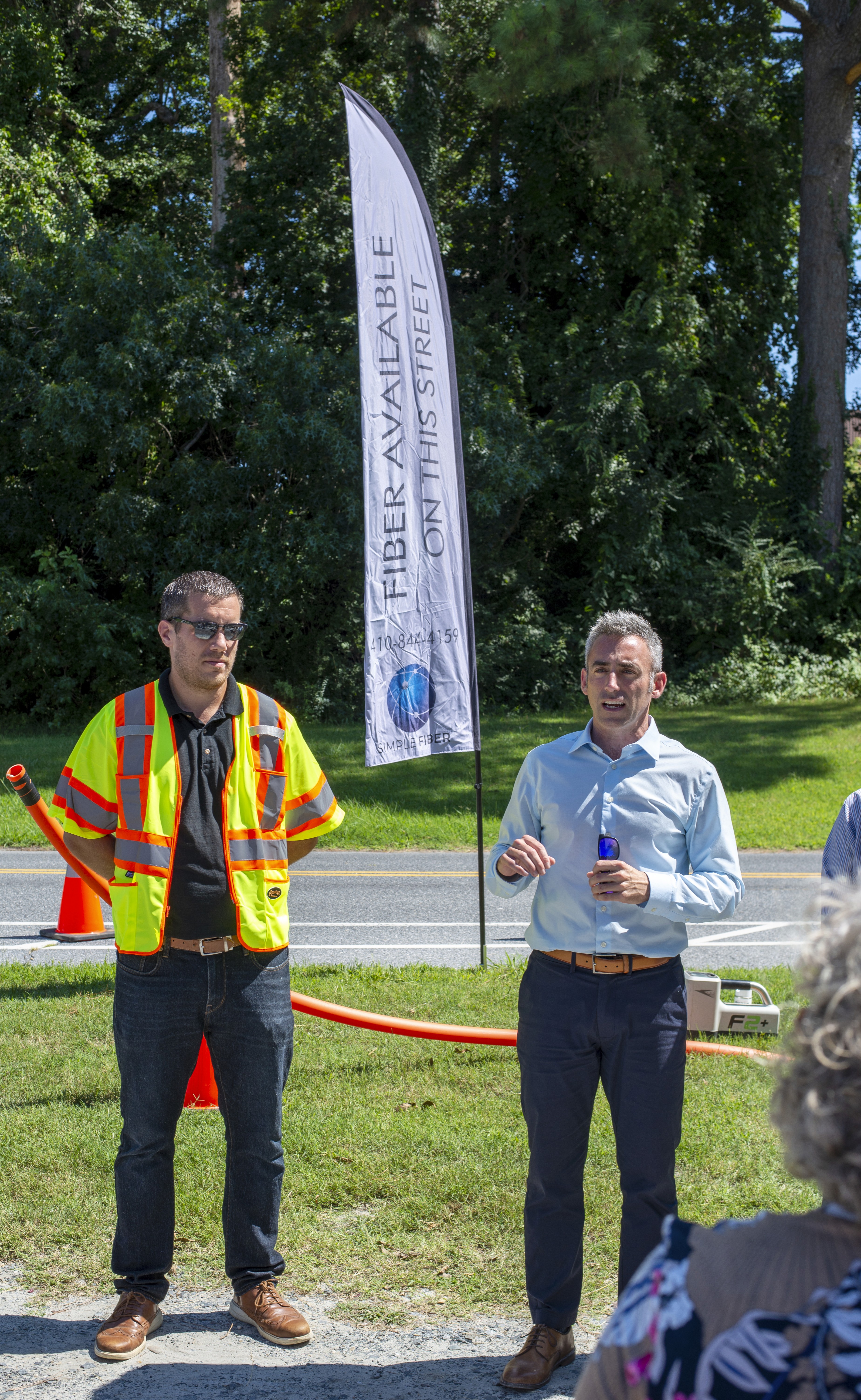
The Maryland Department of Housing and Community Development (DHCD) invested nearly $2 million to deliver high-speed 5G Fixed Wireless Access (FWA) broadband to Smith Island. Announced by Secretary Jake Day, this grant from the Office of Statewide Broadband’s Network Infrastructure Program, in partnership with Somerset County, Smith Island United, and Verizon, connected over 200 households and businesses.
This crucial project supports the island’s culture and community preservation, furthering the state's commitment to close Maryland’s digital divide and ensure all Marylanders have access to high-speed internet by 2030. The new infrastructure is expected to foster economic development, improve educational and healthcare access, and expand opportunities. Since 2017, the Office of Statewide Broadband has invested over $270 million, bringing connectivity to more than 71,000 previously unserved homes and businesses statewide demonstrating that Great Places Win.
“To close Maryland’s digital divide and open pathways to opportunity, all Maryland households and businesses must have access to broadband internet, no matter how remote the location…” —Secretary Jake Day
The Maryland Department of Housing and Community Development (DHCD) invested nearly $2 million to deliver high-speed 5G Fixed Wireless Access (FWA) broadband to Smith Island. Announced by Secretary Jake Day, this grant from the Office of Statewide Broadband’s Network Infrastructure Program, in partnership with Somerset County, Smith Island United, and Verizon, connected over 200 households and businesses.
This crucial project supports the island’s culture and community preservation, furthering the state's commitment to close Maryland’s digital divide and ensure all Marylanders have access to high-speed internet by 2030. The new infrastructure is expected to foster economic development, improve educational and healthcare access, and expand opportunities. Since 2017, the Office of Statewide Broadband has invested over $270 million, bringing connectivity to more than 71,000 previously unserved homes and businesses statewide demonstrating that Great Places Win.
“To close Maryland’s digital divide and open pathways to opportunity, all Maryland households and businesses must have access to broadband internet, no matter how remote the location…” —Secretary Jake Day
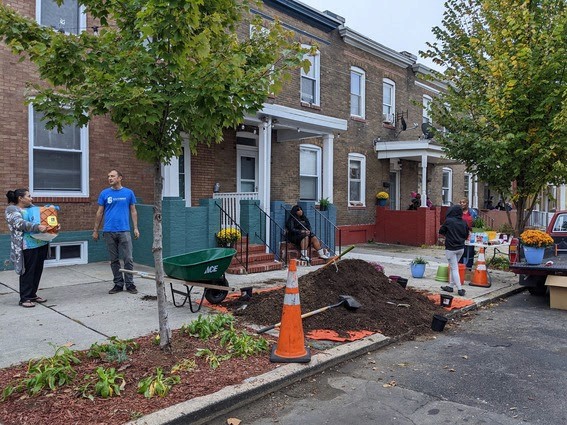
As a part of Reinvest Baltimore, the State of Maryland works with Baltimore City and nonprofit and for-profit partners to eliminate concentrations of vacant properties, revitalize neighborhoods and maximize the economic potential and quality of life for residents in Baltimore City. The goal established by Governor Moore's executive order is to move at least 5,000 vacant properties into homeownership or other positive outcomes through Fiscal Year 2029.
In FY2025, the State accelerated its Baltimore Vacants Reinvestment Initiative program to prioritize performance and efficiency, deploying $50 million in funding to Community Development Organizations who have a track record of results-oriented redevelopment of vacant housing.
“We know that if we want to drive investment and growth in Baltimore City, we need to address its vacant housing crisis…Together, we will build a more vibrant, prosperous, and growing Baltimore for all.” —Governor Wes Moore
As a part of Reinvest Baltimore, the State of Maryland works with Baltimore City and nonprofit and for-profit partners to eliminate concentrations of vacant properties, revitalize neighborhoods and maximize the economic potential and quality of life for residents in Baltimore City. The goal established by Governor Moore's executive order is to move at least 5,000 vacant properties into homeownership or other positive outcomes through Fiscal Year 2029.
In FY2025, the State accelerated its Baltimore Vacants Reinvestment Initiative program to prioritize performance and efficiency, deploying $50 million in funding to Community Development Organizations who have a track record of results-oriented redevelopment of vacant housing.
“We know that if we want to drive investment and growth in Baltimore City, we need to address its vacant housing crisis…Together, we will build a more vibrant, prosperous, and growing Baltimore for all.” —Governor Wes Moore
As a part of Reinvest Baltimore, the State of Maryland works with Baltimore City and nonprofit and for-profit partners to eliminate concentrations of vacant properties, revitalize neighborhoods and maximize the economic potential and quality of life for residents in Baltimore City. The goal established by Governor Moore's executive order is to move at least 5,000 vacant properties into homeownership or other positive outcomes through Fiscal Year 2029.
In FY2025, the State accelerated its Baltimore Vacants Reinvestment Initiative program to prioritize performance and efficiency, deploying $50 million in funding to Community Development Organizations who have a track record of results-oriented redevelopment of vacant housing.
“We know that if we want to drive investment and growth in Baltimore City, we need to address its vacant housing crisis…Together, we will build a more vibrant, prosperous, and growing Baltimore for all.” —Governor Wes Moore
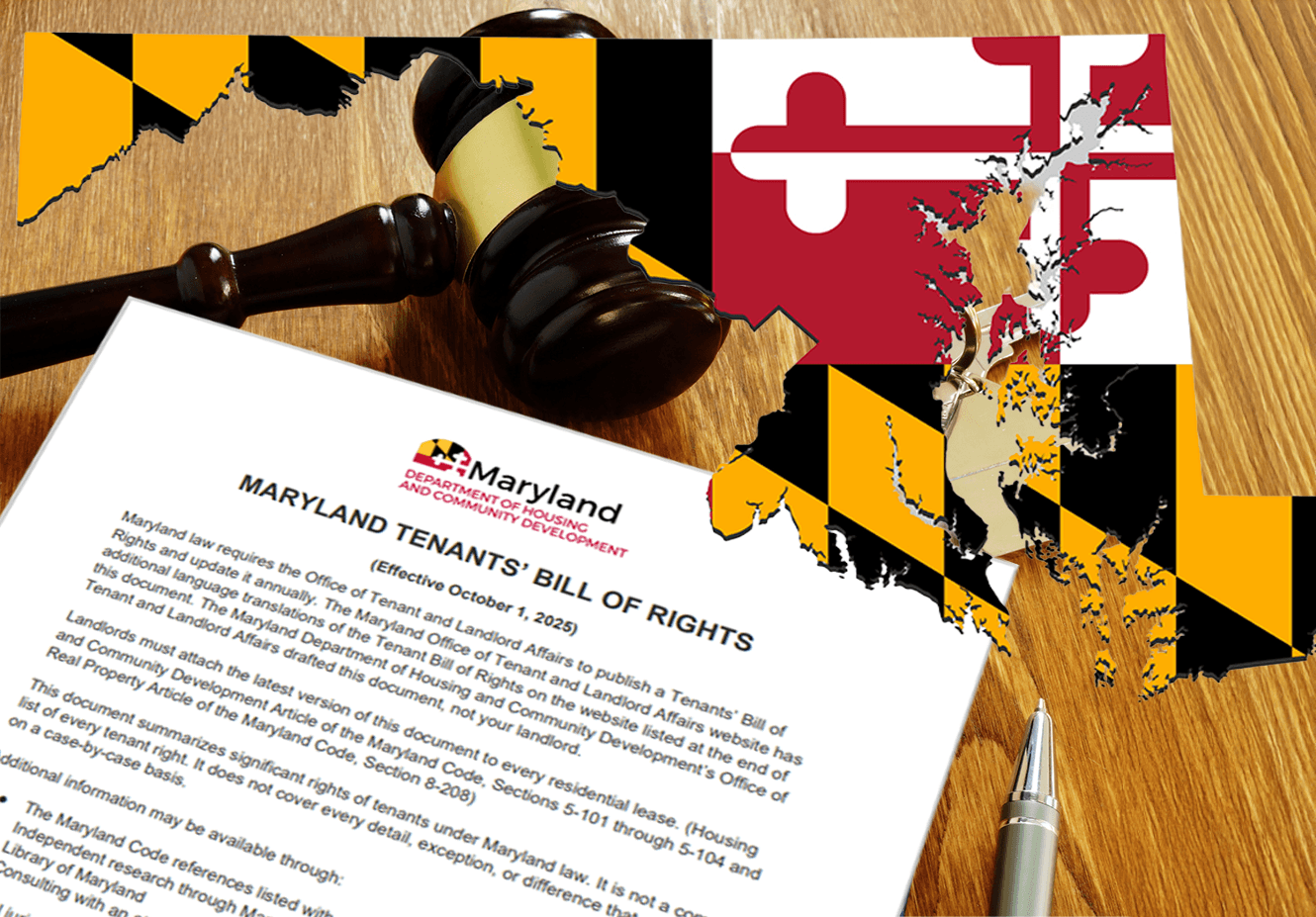
Maryland Department of Housing and Community Development published the first statewide Tenants’ Bill of Rights in the nation as required by the passage of the Renters Rights and Stabilization Act of 2024 along with establishing the Office of Tenant and Landlord Affairs. In addition to serving Maryland renters, the office will train landlords, property managers, real estate agents, and other housing industry professionals on requirements for the Tenants’ Bill of Rights and Right of First Refusal law, which gives tenants of certain rental properties the first opportunity to purchase their home when an owner moves to sell the property.
“While we work to tackle Maryland’s housing shortage, we still need to protect vulnerable tenants in a challenging rental market.” —Secretary Jake Day
Maryland Department of Housing and Community Development published the first statewide Tenants’ Bill of Rights in the nation as required by the passage of the Renters Rights and Stabilization Act of 2024 along with establishing the Office of Tenant and Landlord Affairs. In addition to serving Maryland renters, the office will train landlords, property managers, real estate agents, and other housing industry professionals on requirements for the Tenants’ Bill of Rights and Right of First Refusal law, which gives tenants of certain rental properties the first opportunity to purchase their home when an owner moves to sell the property.
“While we work to tackle Maryland’s housing shortage, we still need to protect vulnerable tenants in a challenging rental market.” —Secretary Jake Day
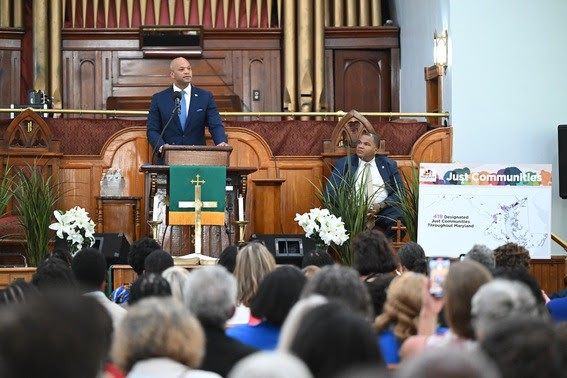
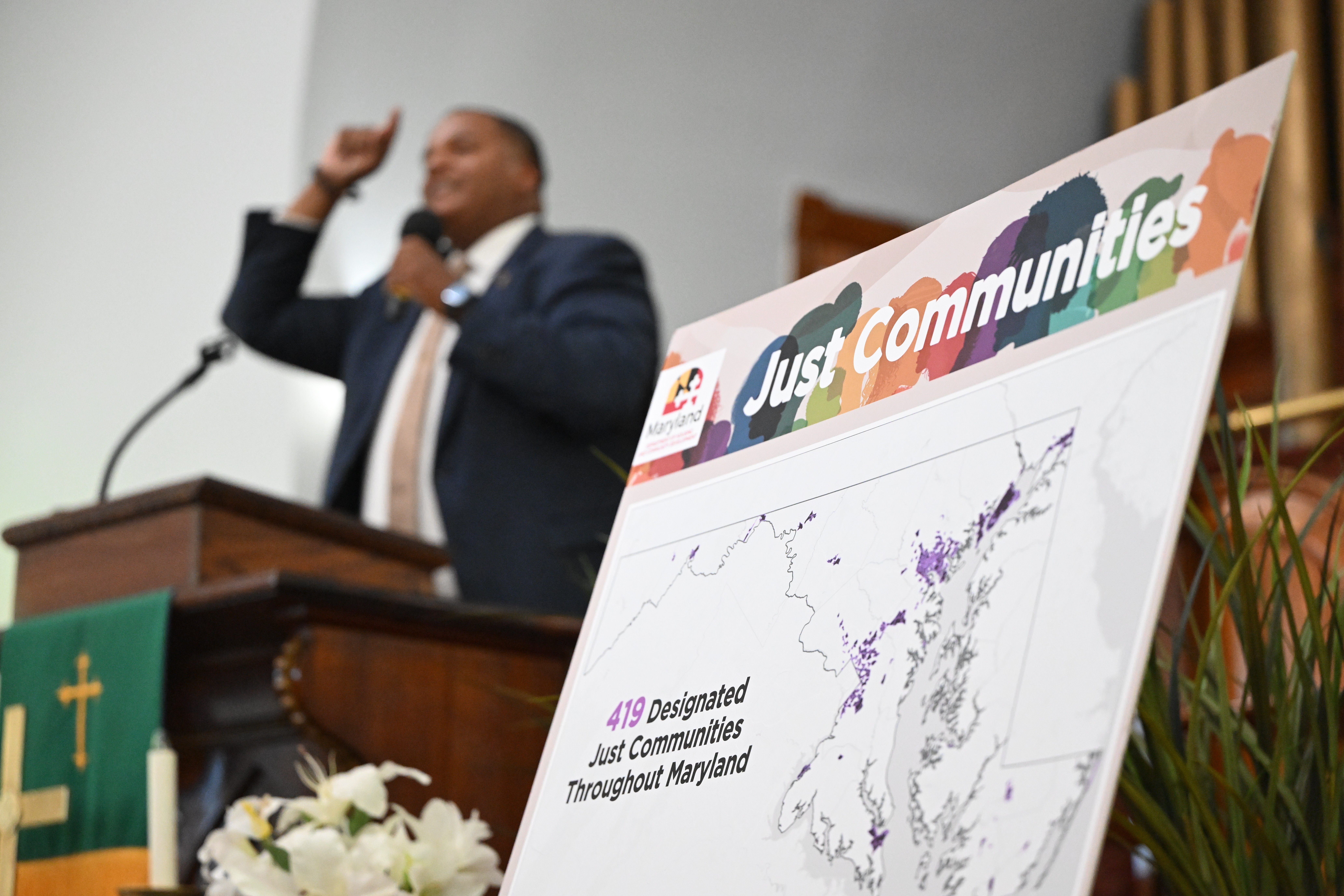
Using racial equity and social justice framework, program evaluation, and community engagement, the Maryland Department of Housing and Community Development developed recommendations to designate 419 of Maryland’s 1,463 census tracts as Just Communities, representing 17 counties and the City of Baltimore. The five-year designation will create priority consideration for competitive state funding in FY 2026. Governor Moore made the recommended designations effective as of July 1, 2025.
“The first-of-its-kind designation of Maryland’s Just Communities is a critical step in lifting the barriers that create separate and unequal neighborhoods all across our state...” —Secretary Jake Day
Using racial equity and social justice framework, program evaluation, and community engagement, the Maryland Department of Housing and Community Development developed recommendations to designate 419 of Maryland’s 1,463 census tracts as Just Communities, representing 17 counties and the City of Baltimore. The five-year designation will create priority consideration for competitive state funding in FY 2026. Governor Moore made the recommended designations effective as of July 1, 2025.
“The first-of-its-kind designation of Maryland’s Just Communities is a critical step in lifting the barriers that create separate and unequal neighborhoods all across our state...” —Secretary Jake Day
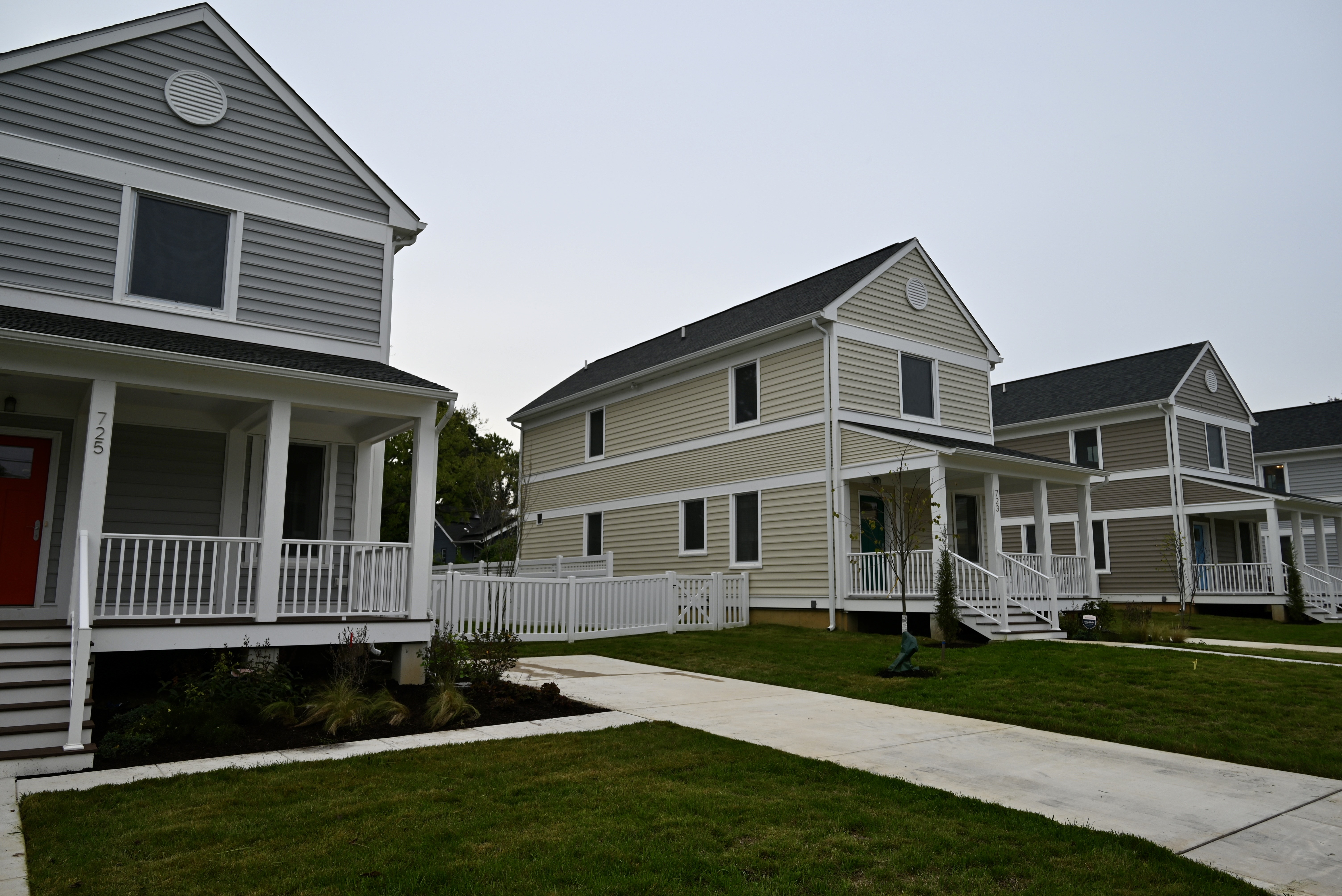
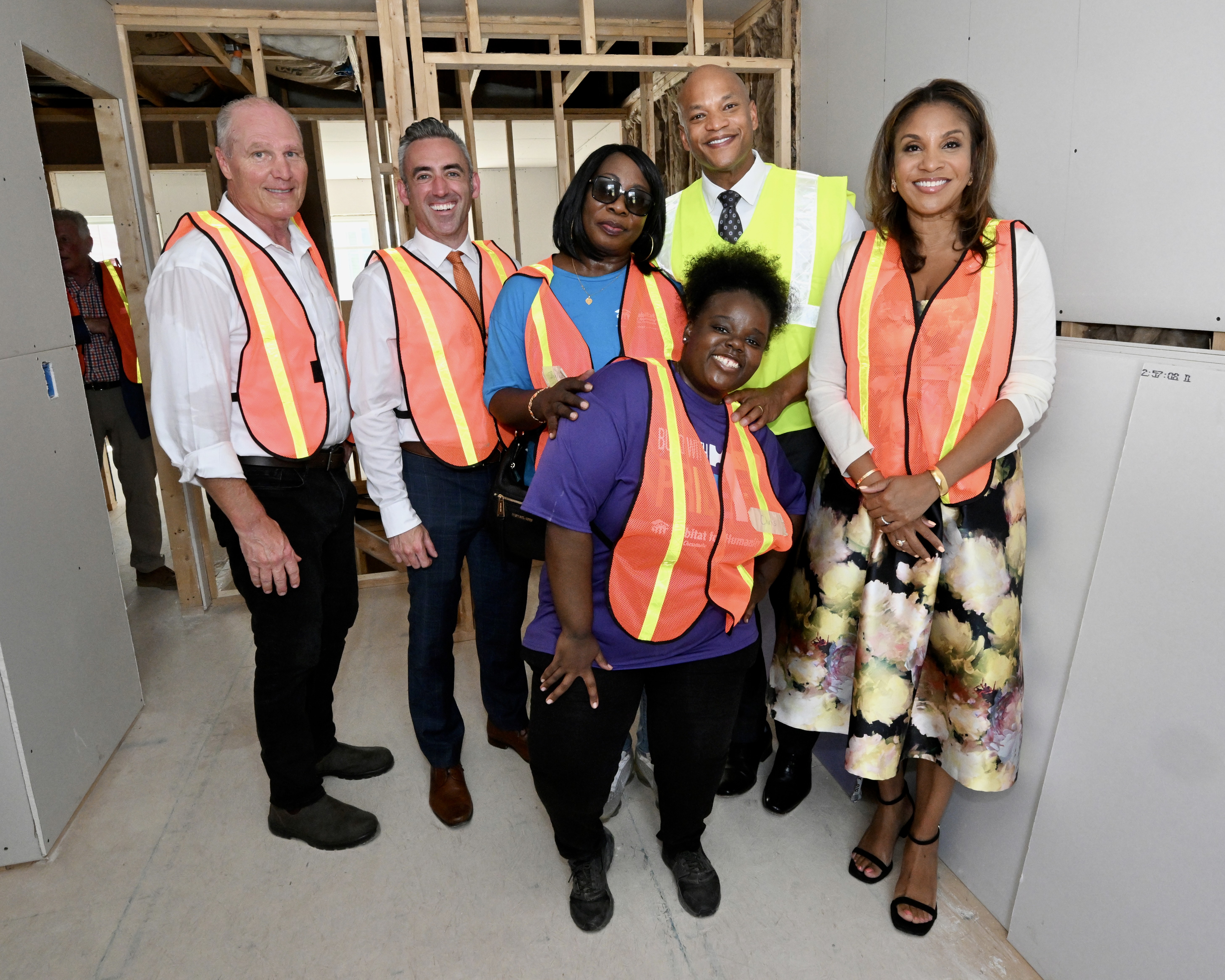
Governor Wes Moore announced Orchard Ridge in Baltimore City as Maryland’s first UPLIFT community. UPLIFT (Utilizing Progressive Lending Investments to Finance Transformation) is a $10 million state-funded program designed to increase property values and homeownership in disinvested neighborhoods. It aims to accelerate the development, construction, and sale of quality affordable housing by transforming vacant lots and structures.
The program provides critical gap financing to mission-aligned developers, with a core goal of addressing the racial wealth gap and inequitable appraisal values in redlined communities. Nonprofit homebuilder Habitat for Humanity of the Chesapeake will receive $1.25 million through UPLIFT to help create 27 new 3 bedroom, 1.5 bathroom homes in Orchard Ridge, with the goal of building generational wealth and restoring dignity to historically overlooked areas.
“UPLIFT will help us take real estate that isn’t currently in use and transform it into vibrant places to live, grow, and thrive. And the entire community of Orchard Ridge is going to benefit as a direct result.” —Governor Wes Moore
Governor Wes Moore announced Orchard Ridge in Baltimore City as Maryland’s first UPLIFT community. UPLIFT (Utilizing Progressive Lending Investments to Finance Transformation) is a $10 million state-funded program designed to increase property values and homeownership in disinvested neighborhoods. It aims to accelerate the development, construction, and sale of quality affordable housing by transforming vacant lots and structures.
The program provides critical gap financing to mission-aligned developers, with a core goal of addressing the racial wealth gap and inequitable appraisal values in redlined communities. Nonprofit homebuilder Habitat for Humanity of the Chesapeake will receive $1.25 million through UPLIFT to help create 27 new 3 bedroom, 1.5 bathroom homes in Orchard Ridge, with the goal of building generational wealth and restoring dignity to historically overlooked areas.
“UPLIFT will help us take real estate that isn’t currently in use and transform it into vibrant places to live, grow, and thrive. And the entire community of Orchard Ridge is going to benefit as a direct result.” —Governor Wes Moore
Governor Wes Moore signed the “Housing Starts Here” executive order to increase housing production across the state. The order improves the use of state-owned land to create more efficient development, reduce state permitting timelines, and bring more homes to market faster in an effort to tackle housing affordability.
“More housing is the key to a more affordable Maryland,” said Maryland Department of Housing and Community Development Secretary Jake Day. “Governor Moore’s executive order will spur housing growth and [that] means more people can live, work and raise their families in our great towns and cities.” —Secretary Jake Day
The Maryland Department of Housing and Community Development (DHCD) invested nearly $2 million to deliver high-speed 5G Fixed Wireless Access (FWA) broadband to Smith Island. Announced by Secretary Jake Day, this grant from the Office of Statewide Broadband’s Network Infrastructure Program, in partnership with Somerset County, Smith Island United, and Verizon, connected over 200 households and businesses.
This crucial project supports the island’s culture and community preservation, furthering the state's commitment to close Maryland’s digital divide and ensure all Marylanders have access to high-speed internet by 2030. The new infrastructure is expected to foster economic development, improve educational and healthcare access, and expand opportunities. Since 2017, the Office of Statewide Broadband has invested over $270 million, bringing connectivity to more than 71,000 previously unserved homes and businesses statewide demonstrating that Great Places Win.
“To close Maryland’s digital divide and open pathways to opportunity, all Maryland households and businesses must have access to broadband internet, no matter how remote the location…” —Secretary Jake Day
“The Department’s investments consistently deliver economic returns, and prioritizing strategic investments is essential because you can’t reap what you don’t sow.”
“The Department’s investments consistently deliver economic returns, and prioritizing strategic investments is essential because you can’t reap what you don’t sow.”
Secretary Jake Day
Secretary Jake Day
“The Department’s investments consistently deliver economic returns, and prioritizing strategic investments is essential because you can’t reap what you don’t sow.”
The Department's programs have invested $3,019,620,328 in communities across the state to strengthen housing, neighborhoods, and local economies. These investments represent the foundation for long-term housing and economic outcomes in Maryland. (Program totals in millions).
total investment
total investment
The Department's programs have invested $3,019,620,328 in communities across the state to strengthen housing, neighborhoods, and local economies. These investments represent the foundation for long-term housing and economic outcomes in Maryland. (Program totals in millions).
The Department's programs have invested $3,019,620,328 in communities across the state to strengthen housing, neighborhoods, and local economies. These investments represent the foundation for long-term housing and economic outcomes in Maryland. (Program totals in millions).
total investment
total investment